Here’s What Everyone is Missing about the 11 Least Popular AKC Dog Breeds.
When people see “least popular” dog breeds, it’s easy to assume something negative. But that’s not really what these rankings from the American Kennel Club reflect. Popularity is based on registrations, not temperament, health, or how good a dog is as a companion.
In most cases, these dogs are rare because they were bred for very specific jobs, come from limited breeding programs, or simply haven’t been widely promoted in the United States. Many of them are incredibly intelligent, loyal, and capable, but they tend to be a better fit for experienced owners or very particular lifestyles.
If anything, this list says more about how people choose dogs than it does about the dogs themselves.
Polish Lowland Sheepdog
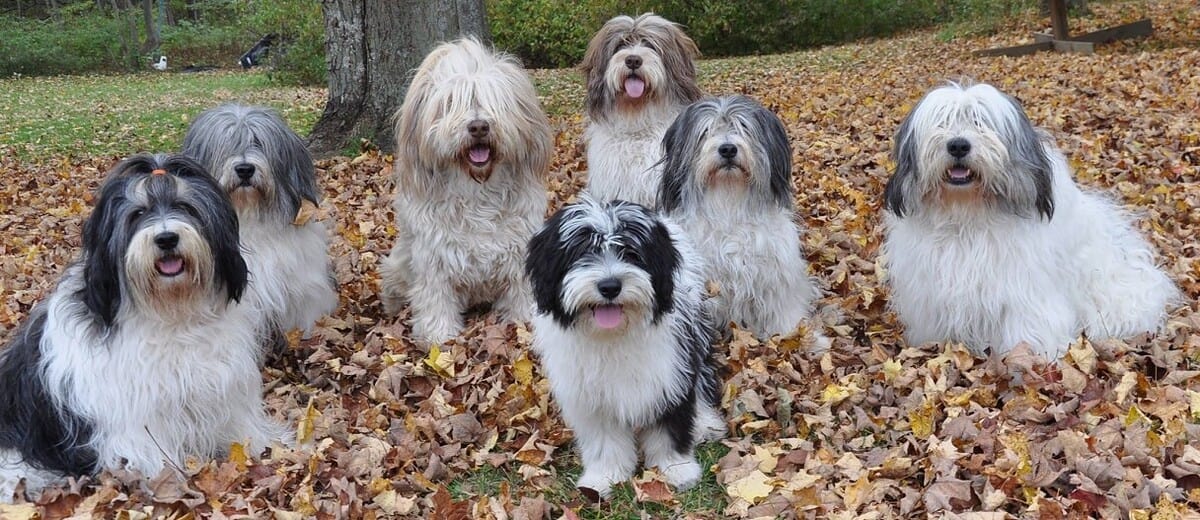
The Polish Lowland Sheepdog, often called the PON, is a shaggy herding dog developed in Poland. These dogs are known for their intelligence and strong memory, which can be both impressive and a little humbling for their humans, since they tend to remember everything, including routines and inconsistencies. Their thick, dense coat requires regular grooming to prevent matting, which can be a barrier for some families. They thrive when they have a job to do and a structured environment, making them less common in more casual pet homes.
Canaan Dog
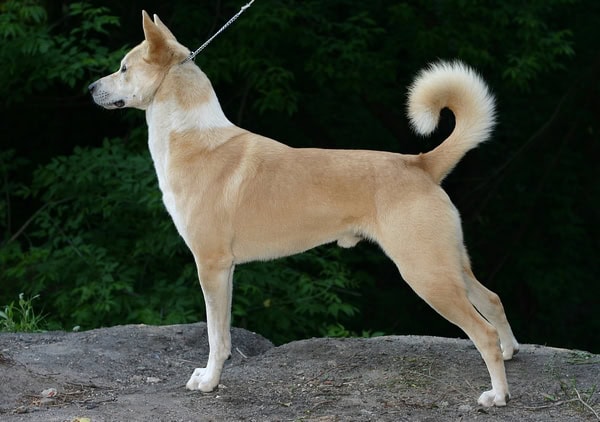
The Canaan Dog is an ancient breed that originated in the Middle East, where it developed natural guarding and survival instincts. These dogs are highly alert and independent, often making their own decisions rather than waiting for direction. That independence can make them challenging for first-time dog owners, especially those expecting a highly obedient companion. They tend to be reserved with strangers but deeply loyal to their families, which contributes to their continued use as watchdogs and working dogs rather than mainstream pets.
Finnish Spitz
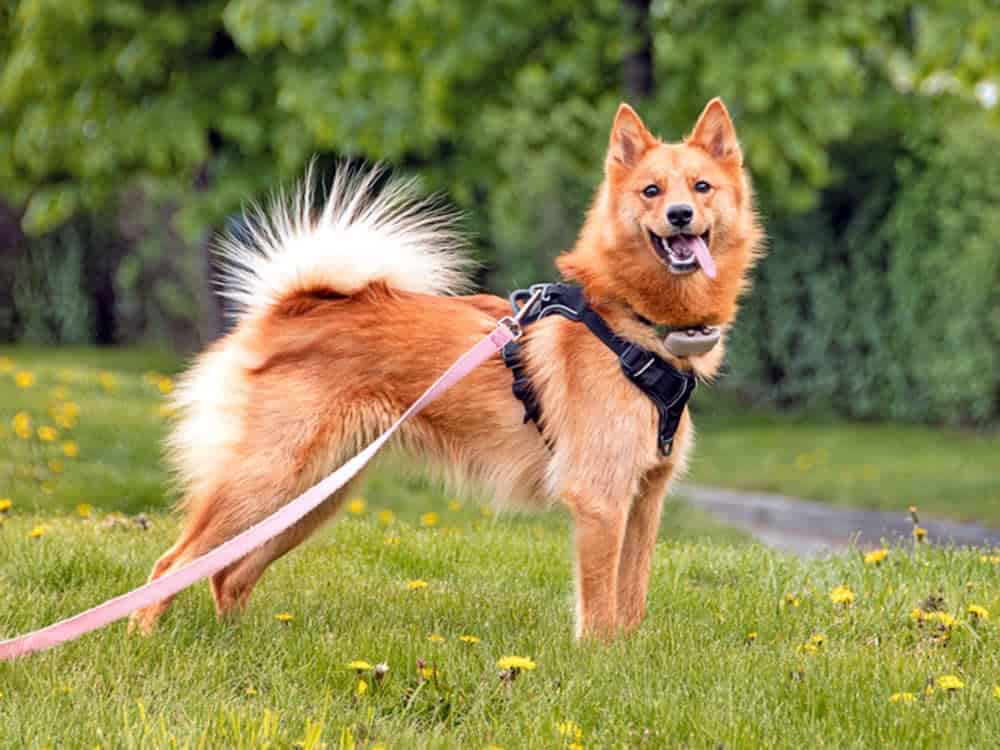
The Finnish Spitz is often described as fox-like in appearance, with a bright red coat and curled tail. Historically used as a hunting dog, it is known as a “barking bird dog” because it uses vocalization to alert hunters to game. This means barking is not a flaw but a defining trait. For families who prefer a quieter home, that alone can make this breed a less appealing choice. However, for the right owner who appreciates their energy and communication style, they are lively and engaging companions.
Azawakh
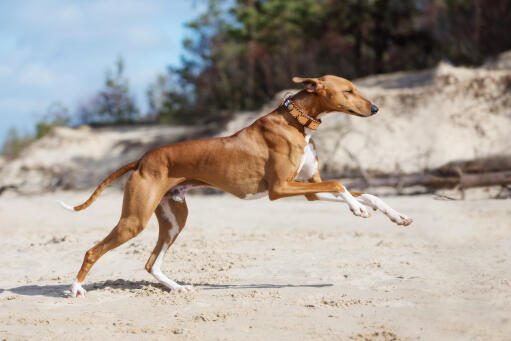
The Azawakh is a sighthound from West Africa, built for speed, endurance, and survival in harsh desert environments. Its lean, elegant frame reflects that purpose. Azawakhs tend to form very strong bonds with one person and can be sensitive and reserved, particularly around strangers. They are not typically social, easygoing dogs, which limits their appeal as a general family pet. However, in the right home, they are deeply devoted and incredibly graceful animals.
Belgian Laekenois
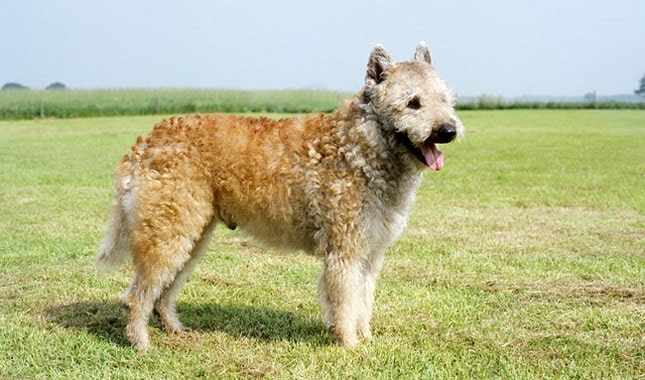
The Belgian Laekenois is one of four Belgian shepherd varieties and is the rarest of the group. Like its relatives, it is highly intelligent and driven, originally bred for herding and later used in various working roles. This is a dog that needs a job, whether that’s structured training, work, or consistent activity. Without that, they can become bored and difficult to manage. Their rarity is partly due to how demanding they can be, as they are not suited to a passive or low-energy household.
Cesky Terrier
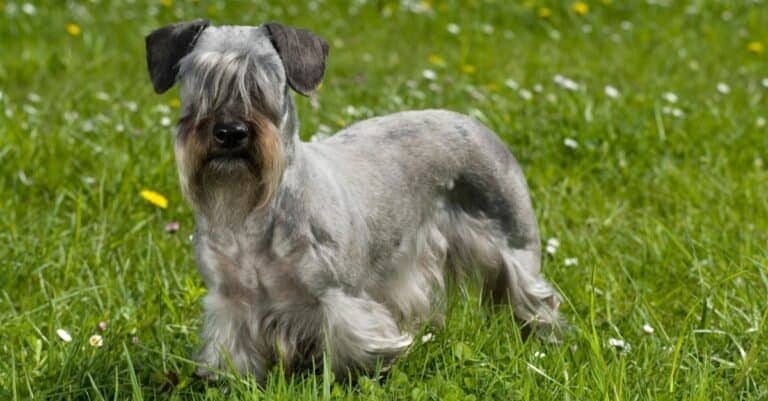
The Cesky Terrier was developed in the Czech Republic as a more moderate and manageable terrier. Compared to many terriers, they tend to be calmer and more adaptable, which makes them appealing as family companions. However, they are still relatively rare due to limited breeding programs. Their coat requires regular grooming, and while they are more easygoing than other terriers, they still benefit from structure and engagement.
Chinook

The Chinook is one of the few dog breeds developed in the United States, originally bred in New Hampshire as a sled dog. Despite their working background, they are known for their gentle and friendly temperament, making them excellent family dogs. Their rarity is not due to difficulty or temperament, but simply because there are very few breeders and a small population overall. This limited availability keeps them low on the popularity list.
Harrier
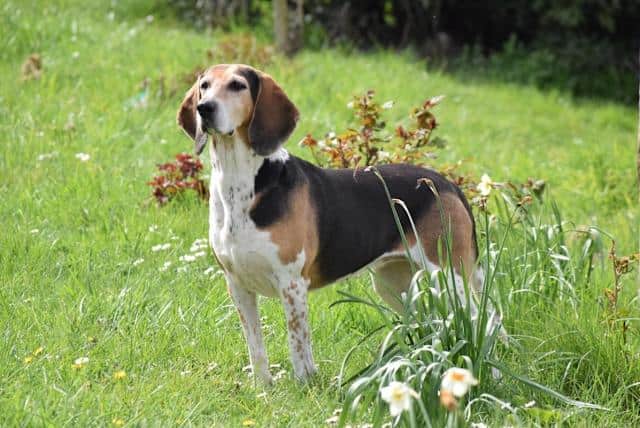
The Harrier looks similar to a Beagle but is larger and was bred specifically for hunting in packs. These dogs are built for endurance and activity, requiring a significant amount of exercise and stimulation. Because of their working background, they are not commonly bred or marketed as household pets. Their needs can be too high for the average family, which contributes to their low registration numbers.
Grand Basset Griffon Vendéen
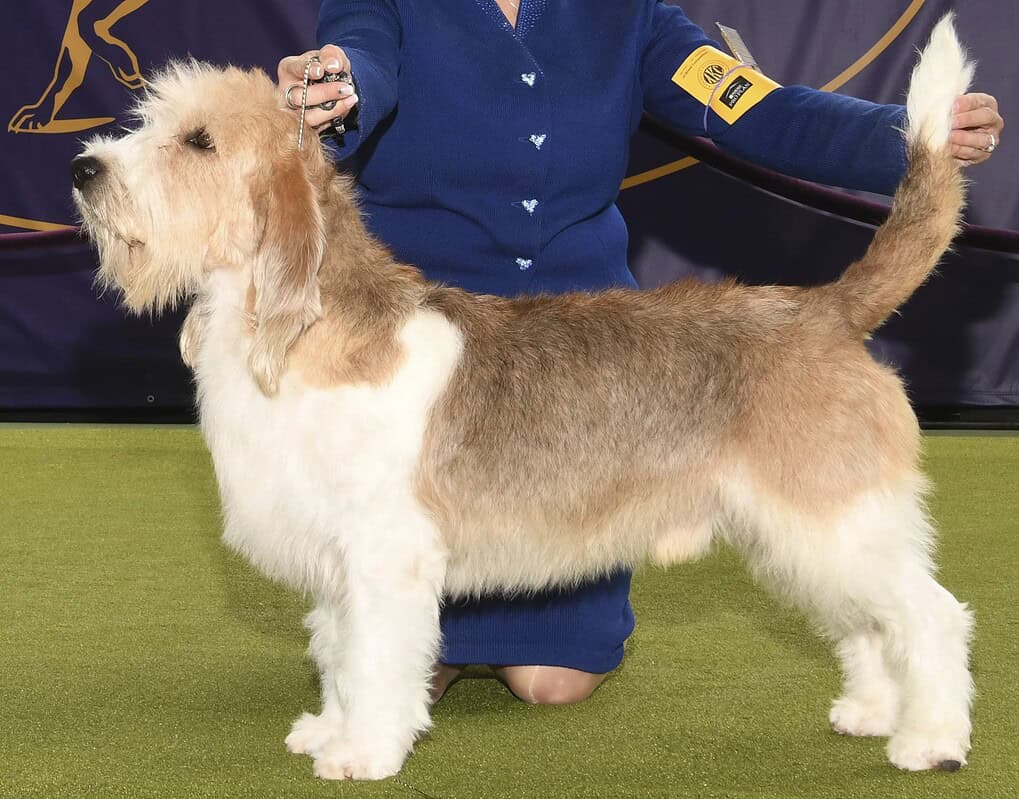
The Grand Basset Griffon Vendéen is a French scent hound known for its long ears, rough coat, and cheerful personality. They are social and outgoing but were bred to hunt over long distances, which means they need space and regular activity. Their combination of high energy and strong scent drive can make them challenging in a typical suburban setting, limiting their widespread appeal.
Sloughi
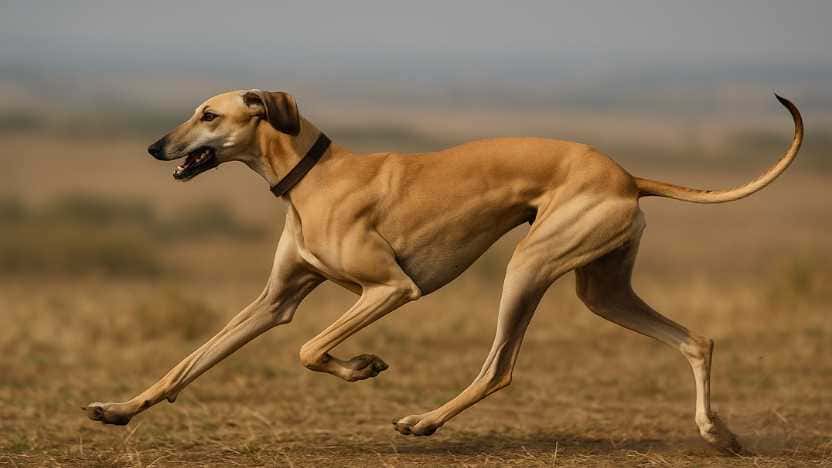
The Sloughi is another ancient sighthound from North Africa, known for its sleek appearance and quiet, reserved nature. These dogs are deeply loyal to their families but tend to be aloof with strangers. They are not overly demonstrative or attention-seeking, which can make them seem less engaging to some owners. Their temperament and sensitivity make them best suited for calm, experienced households.
Norwegian Lundehund
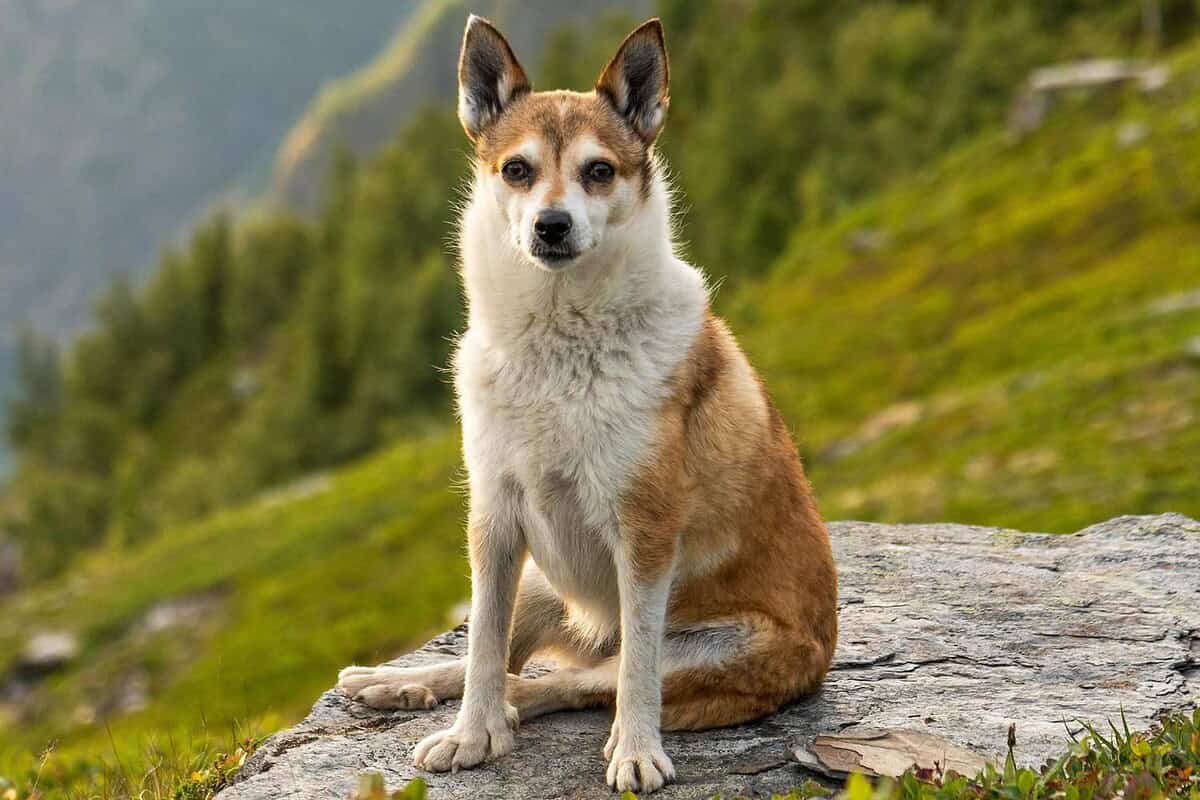
The Norwegian Lundehund is one of the most unique dog breeds in the world. Originally bred to hunt puffins along rocky cliffs, it has several unusual physical traits, including six toes on each foot and an extraordinary range of motion that allows it to bend its head backward. These adaptations made it ideal for climbing and navigating difficult terrain. Today, its rarity is due in part to a very small gene pool and the specialized nature of the breed.
These AKC least popular dog breeds didn’t land at the bottom because they’re lacking. Most were bred for very specific jobs, environments, or lifestyles, and that makes them a better fit for some families than others. Their rarity often comes down to limited breeding, higher care needs, or personalities that don’t match what the average dog owner is looking for. But for the right person, these overlooked breeds can be incredibly loyal, capable, and rewarding companions.