20 Common Plants That Are Poisonous to Dogs—Is Your Yard Safe?
Love your garden and your dog? You might be surprised to learn that many popular plants—indoors and out—can be toxic to dogs. Some cause mild tummy trouble. Others? Much worse.
Here are 20 common plants that could pose a real risk to your furry best friend.
Tulips

They may scream “spring,” but tulips—especially the bulbs—can cause vomiting, diarrhea, and excessive drooling if eaten.
Azaleas

These bright blooms are beautiful but very toxic. Ingesting even a few leaves can lead to vomiting, heart issues, or worse.
Elephant’s Ear (Alocasia)
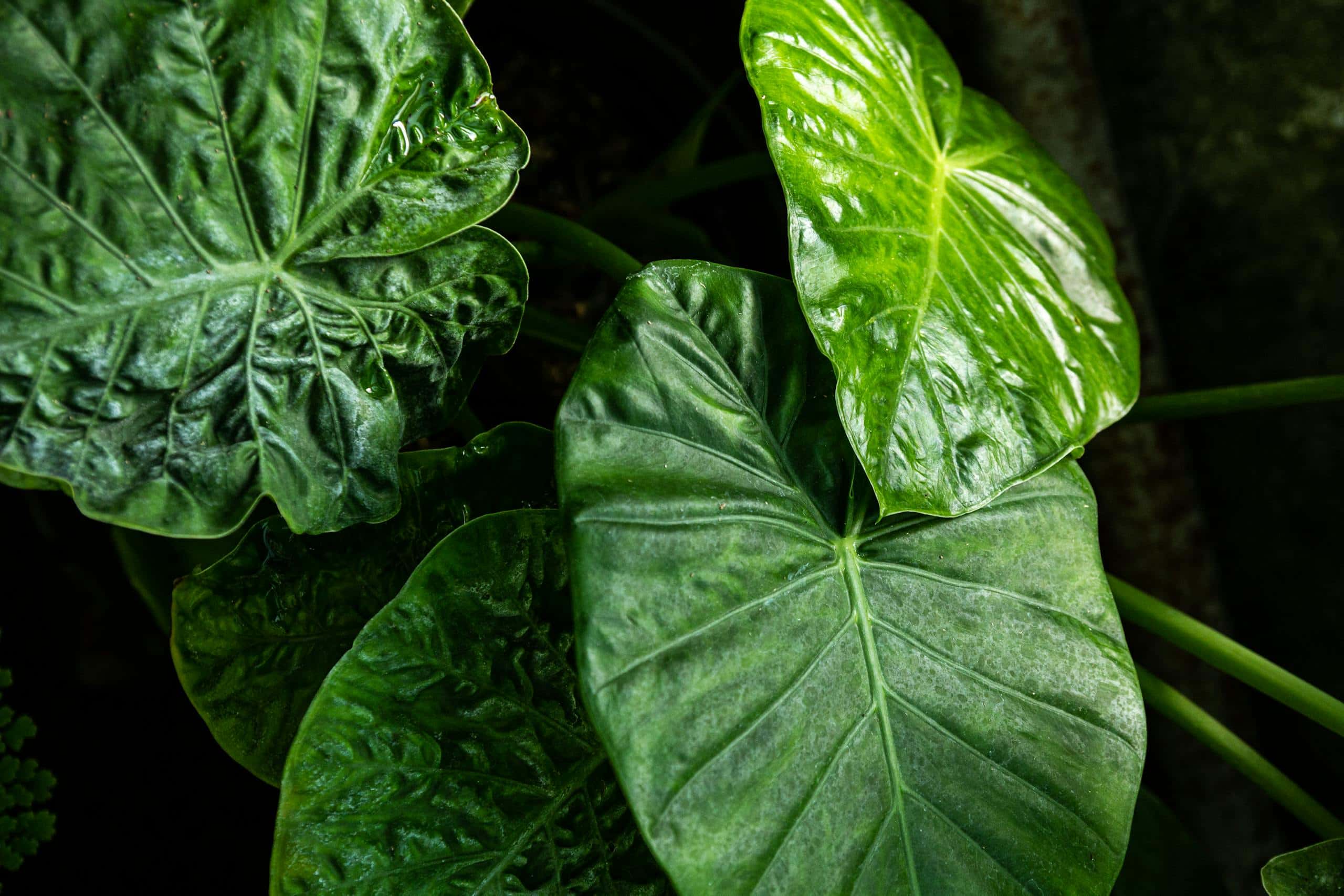
Its giant leaves are gorgeous, but chewing on them can cause severe mouth irritation, drooling, and difficulty swallowing.
Snake Plant

Tough and trendy, yes—but if your dog takes a bite, expect nausea, vomiting, and maybe a vet trip.
Golden Pothos (Devil’s Ivy)

One of the most popular indoor plants out there—but not for dog owners. It can cause oral pain, vomiting, and excessive drooling.
Philodendron

Another indoor favorite with a dark side. Its calcium oxalate crystals can cause painful swelling of the mouth and throat.
Lily of the Valley
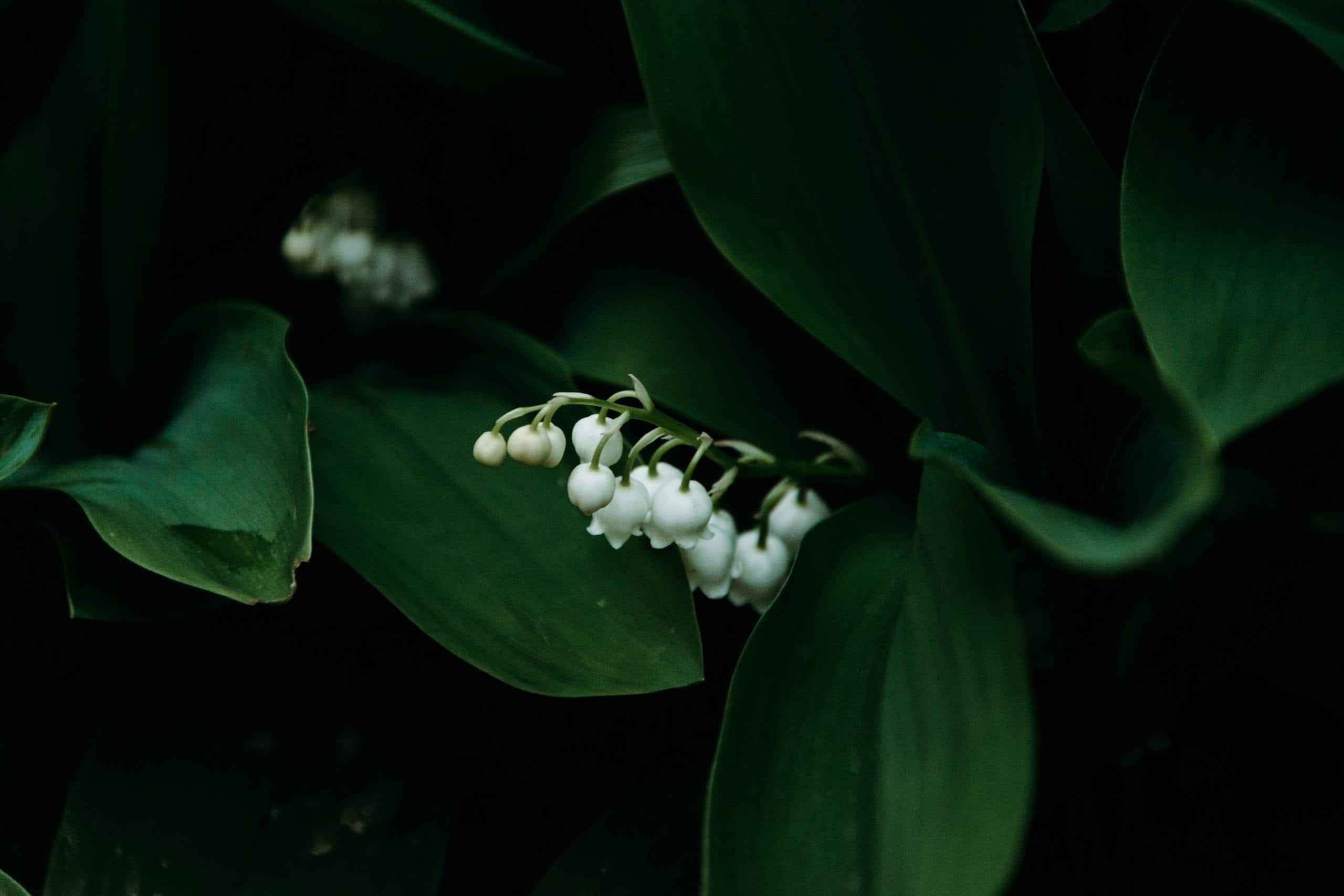
Don’t let its dainty looks fool you—this one’s deadly. It can cause heart problems, confusion, or even seizures in dogs.
Yew

Used in landscaping for its evergreen look, but almost every part of the plant is highly toxic and can cause sudden death if ingested.
English Ivy

Whether climbing walls or covering ground, this classic ivy can cause mouth and stomach irritation in curious canines.
Aloe Vera

Great for sunburns—not so much for dogs. Aloe can lead to vomiting, lethargy, and diarrhea if your pup chews on the leaves.
Milkweed

It’s great for monarch butterflies but not for pets. Some types contain toxins that affect the heart or nervous system.
Morning Glory

The seeds in particular can be trouble. Eating them can lead to nausea, tremors, or liver problems in dogs.
Oleander

A common hedge that’s extremely toxic to dogs. Just a nibble can cause vomiting, heart irregularities, and even death.
Cyclamen

Those bright pink blooms look innocent enough, but this houseplant’s roots can cause severe vomiting or heart issues in dogs.
Mistletoe
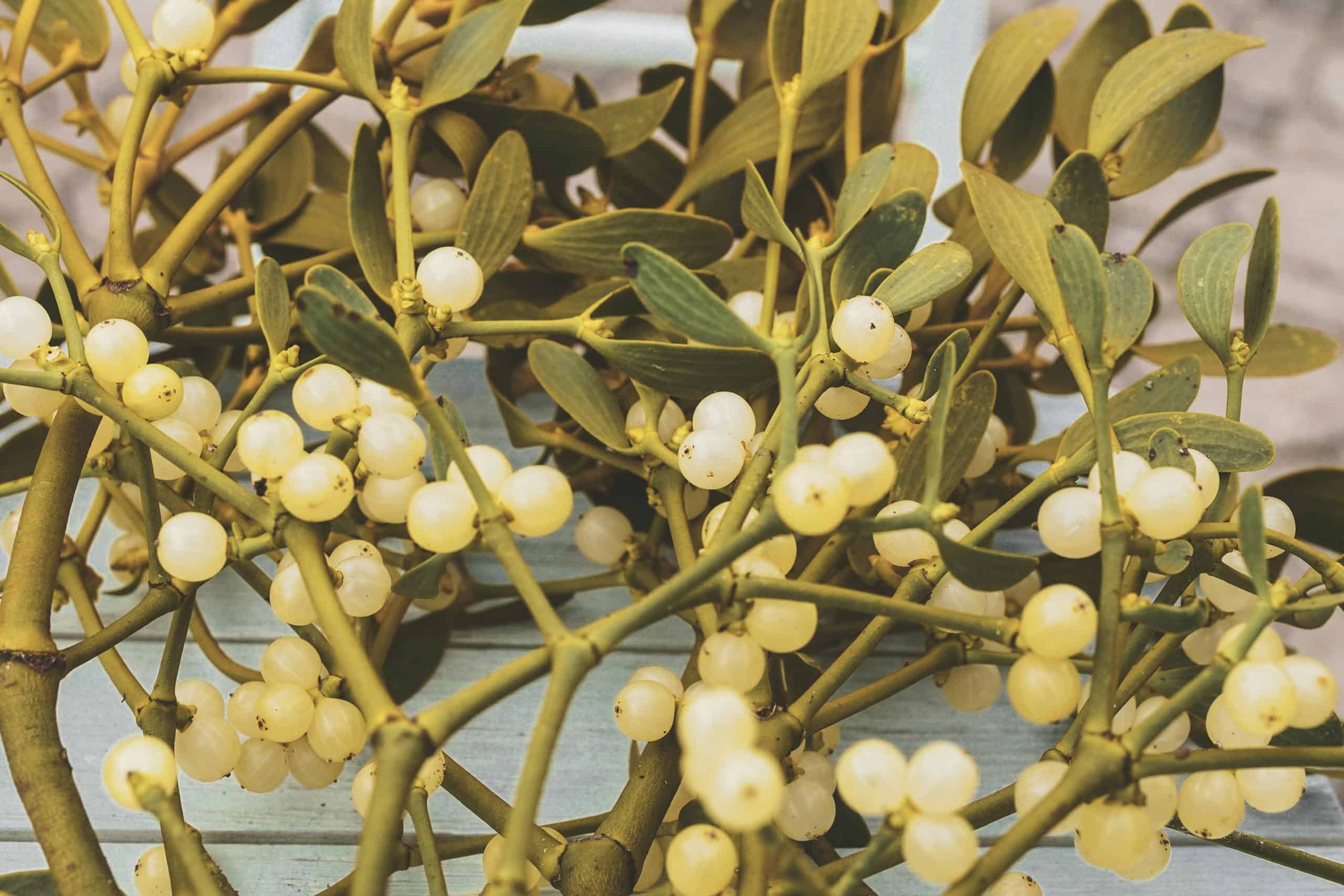
It’s festive, sure—but it’s also toxic. It can cause vomiting, diarrhea, and a slowed heart rate.
Sago Palm
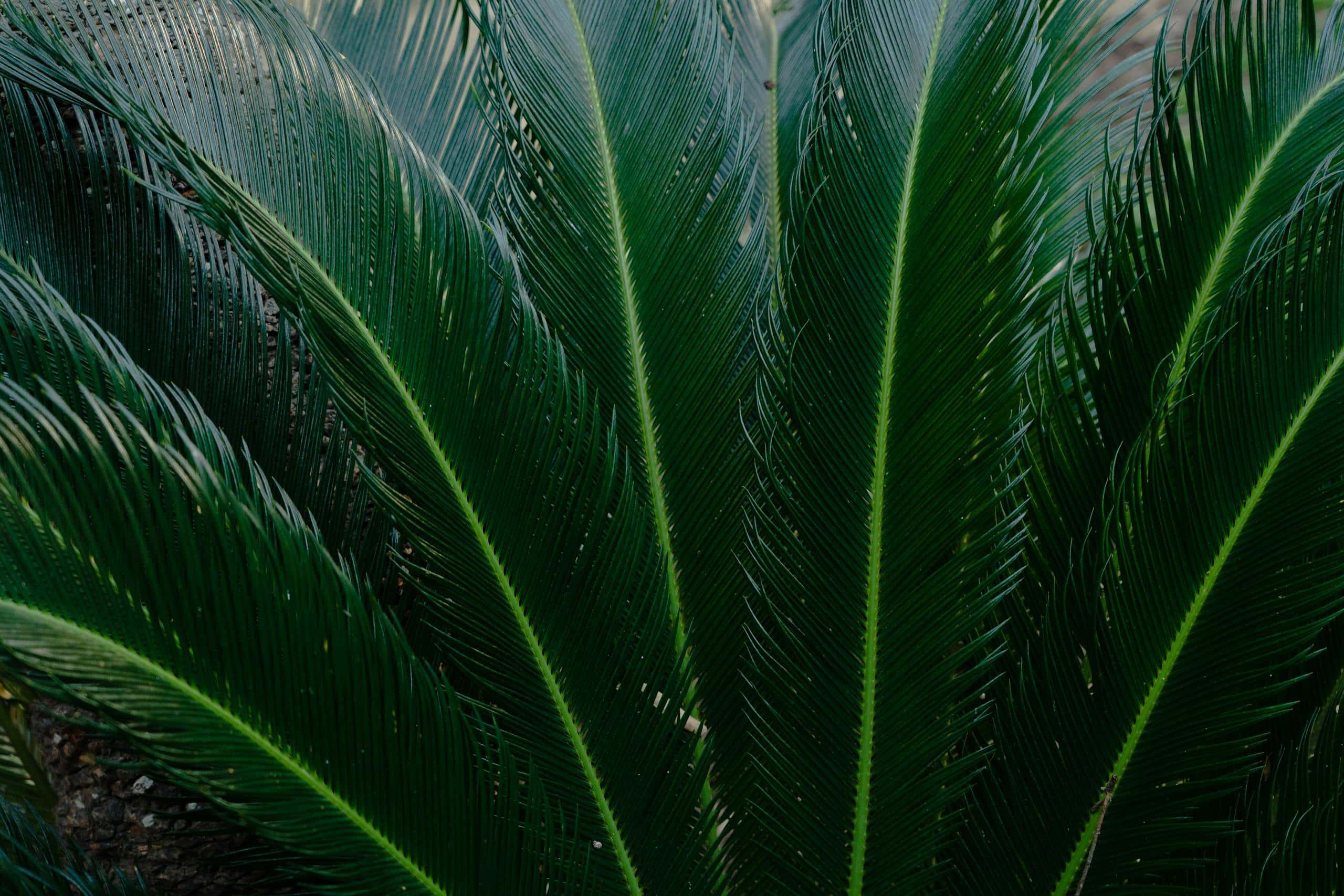
The entire plant is dangerous, but the seeds are especially lethal. Even one seed can lead to liver failure.
Dumb Cane (Dieffenbachia)

Popular in offices and homes, but it contains crystals that can cause mouth swelling and drooling.
Foxglove

It may be a cottage-core dream plant, but it contains digitalis—a potent heart toxin. Dogs should steer very clear.
Daffodils

Those cheerful yellow blooms hide a toxic secret—especially in the bulbs. Ingestion can lead to intense vomiting and even convulsions.
Geraniums
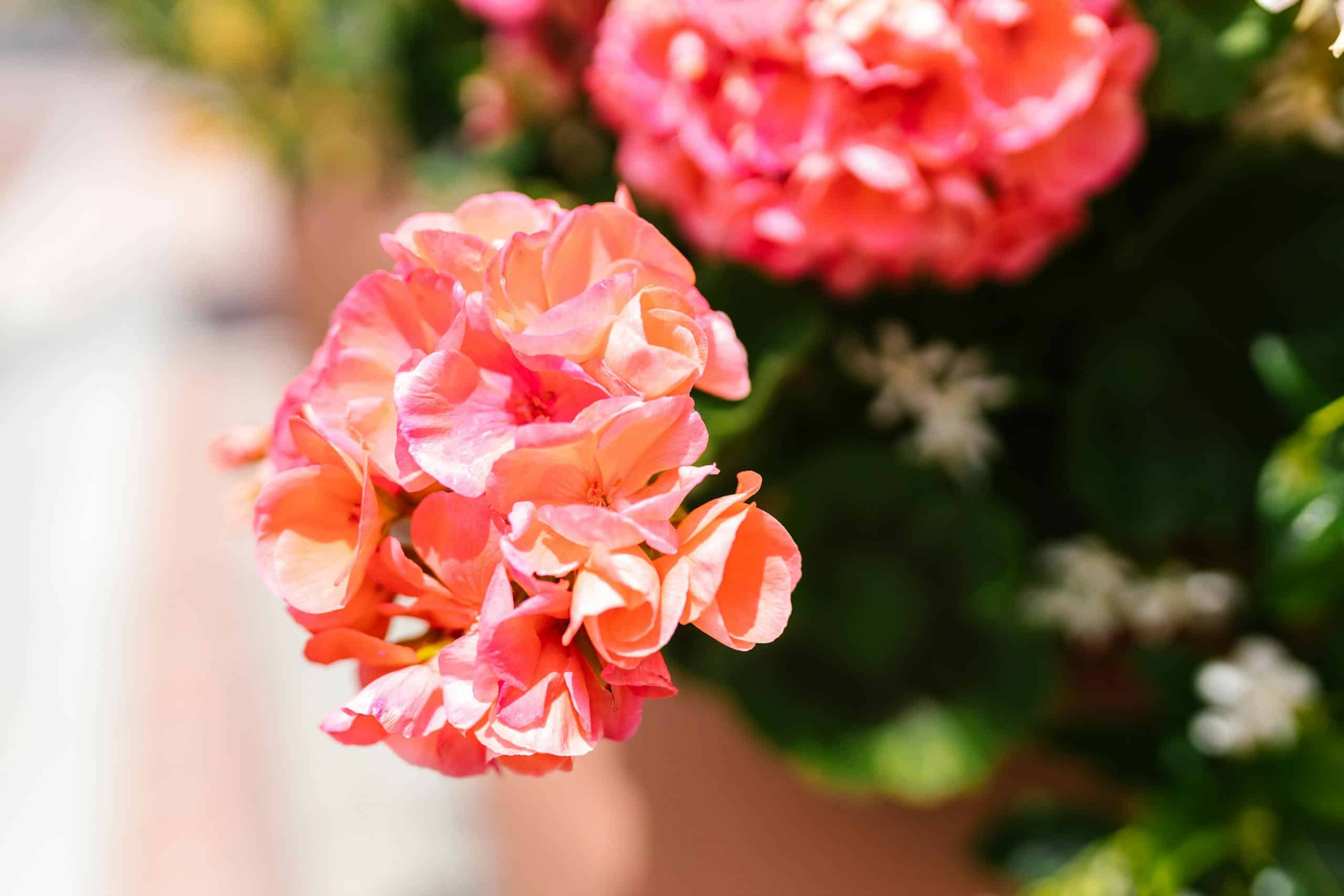
Beautiful but risky. They can cause skin rashes, vomiting, and depression-like symptoms in dogs.
Your pup doesn’t know what’s safe to munch on—but you do now. Take a walk around your yard or home and make sure none of these risky plants are within paw’s reach. Better safe than vet-bill sorry.