
13 Bat Myths That Just Won’t Die—And the Truth Behind Them
They swoop through Halloween decorations, star in vampire stories, and get blamed for everything from bad omens to pandemics. But behind all the spooky stereotypes, bats are some of the most fascinating and misunderstood animals on Earth. Let’s separate myth from fact and discover why these creatures of the night are more helpful than haunting.
Myth: Bats Are Blind

The classic phrase “blind as a bat” couldn’t be more wrong. Bats can see perfectly well—and some species even have better night vision than humans. Echolocation just gives them extra precision in the dark. And speaking of echolocation, that’s not the only cool trick they have.
Myth: All Bats Use Echolocation

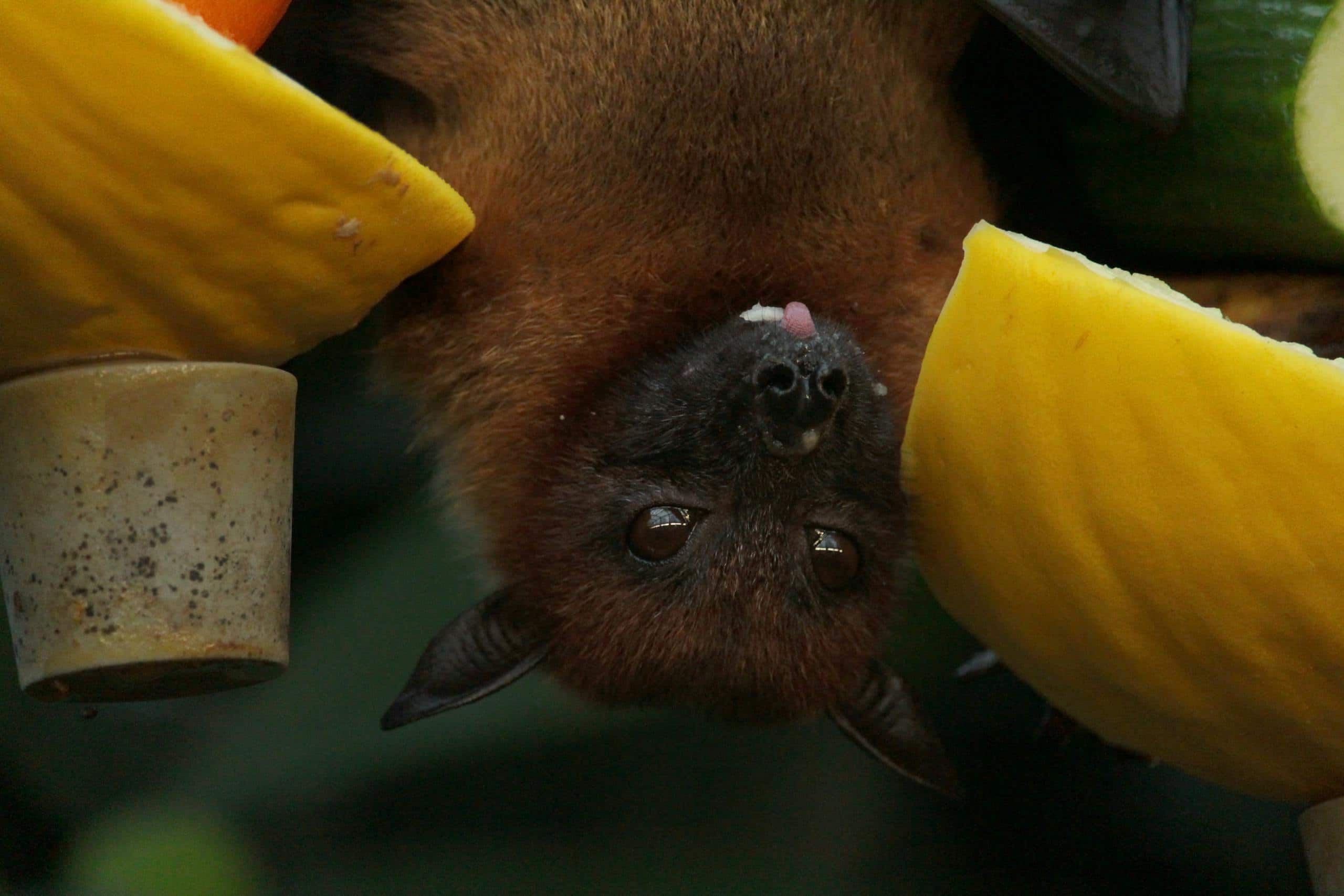
Only about two-thirds of bat species use echolocation. Fruit bats and flying foxes rely more on sight and smell to find food. In fact, some of the largest bats see almost as well as birds. And no, despite what you’ve heard, they’re not flying mice.
Myth: Bats Are Just Flying Rodents

Bats aren’t rodents at all—they belong to their own order, Chiroptera, meaning “hand wing.” They’re more closely related to primates than to rats or mice. Their wings are actually elongated fingers covered by thin skin. But they definitely don’t want anything to do with your hair.
Myth: Bats Get Tangled in People’s Hair

This myth has been around for centuries, but bats aren’t interested in humans or hairstyles. They may swoop close chasing insects, but they have expert navigation and rarely collide with anything—even in total darkness. And no, they’re not out there looking for blood, either.
Myth: All Bats Drink Blood

Out of more than 1,400 bat species, only three feed on blood—and all live in Latin America. Even those “vampire bats” mostly drink from livestock, not humans. The rest eat fruit, nectar, or insects. In fact, bats are quietly doing pest control every night.
Myth: Bats Are Dangerous to Humans

Healthy bats want nothing to do with people. Rabies is rare—fewer than 1% of bats carry it. As long as you don’t handle wild bats, you’re perfectly safe. The truth? They save humans billions in crop protection each year. But you might be surprised where some people actually welcome them indoors.
Bats Bring Good Luck in Some Cultures

In China, bats symbolize happiness and good fortune. The Chinese word for “bat” sounds like “blessing,” and bat motifs often appear in art and jewelry as lucky charms. Meanwhile, in Western folklore, they got a much darker reputation.
Bats Were Linked to Witches and the Devil

During the Middle Ages, bats’ nocturnal habits and eerie appearance tied them to witchcraft and evil spirits. Artists even gave the devil bat-like wings. Halloween later cemented their spooky image.
But far from being evil, bats are essential to keeping the planet alive.
Myth: Bats Are Pests

Quite the opposite—bats eat pests. A single bat can eat thousands of mosquitoes and insects in one night. Farmers often install bat houses because they naturally protect crops without chemicals. And it’s not just bugs they’re helping with.
Bats Help Pollinate and Plant Forests

Many tropical plants depend entirely on bats for pollination and seed spreading. Bananas, mangos, and even tequila-producing agave all rely on bats. Without them, ecosystems would collapse. So why do we still see them as creepy? Blame Hollywood.
Myth: Bats Attack People in Movies

From Dracula to horror flicks, bats have been typecast as villains. In reality, they’re shy and gentle, avoiding humans whenever possible. Most “attacks” are just confused bats trying to escape enclosed spaces. Even their infamous screech isn’t as spooky as it sounds.
Myth: Bats Make Creepy Screeching Sounds

Most bats’ echolocation clicks are ultrasonic—too high-pitched for humans to hear. The “screeches” you hear in movies are sound effects. Real bats are surprisingly quiet.
And here’s a shocker: some bats are even musical.
Some Bats Sing to Each Other
Male bats serenade females with ultrasonic “songs” that can be quite complex. Scientists compare their vocal patterns to those of birds. Love songs in the dark—proof these creatures are more romantic than monstrous.
And after all that, maybe they’ve earned a better reputation.
The Real Story of Bats
Bats pollinate our food, control insect populations, and keep ecosystems balanced—all while getting blamed for being spooky. This Halloween, they deserve a little redemption.
Maybe they were never creatures of the night—just misunderstood heroes of it.


